

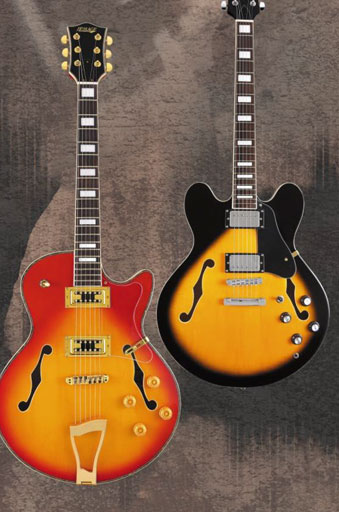
The Benefits of Sourcing from a Guitar OEM factory
Introduction
The guitar manufacturing industry has evolved significantly over the years, with Original Equipment Manufacturer (OEM) factories playing a crucial role in the production of high-quality instruments. Many brands, from boutique luthiers to large-scale retailers, rely on OEM factories to produce guitars that meet their specifications. Sourcing from a guitar OEM factory offers numerous advantages, including cost efficiency, customization options, access to advanced manufacturing techniques, and scalability. This article explores the key benefits of partnering with a guitar OEM factory and why it is a strategic choice for businesses in the musical instrument industry.
1. Cost Efficiency and Economies of Scale
One of the most significant advantages of sourcing from a guitar OEM factory is cost efficiency. OEM factories specialize in large-scale production, allowing them to leverage economies of scale. This means that the per-unit cost of manufacturing guitars decreases as production volume increases.
Lower Production Costs
- Bulk Material Purchasing: OEM factories buy raw materials (such as tonewoods, hardware, and electronics) in large quantities, securing better pricing from suppliers.
- Optimized Labor Costs: Skilled labor is utilized efficiently, reducing waste and increasing productivity.
- Reduced Overhead Expenses: Factories spread fixed costs (such as machinery, facility maintenance, and utilities) across a higher number of units.
For brands, this translates to higher profit margins or the ability to offer competitively priced guitars without sacrificing quality.
2. High-Quality Manufacturing Standards
Reputable guitar OEM factories adhere to strict quality control measures to ensure consistency and durability in their products. Many OEMs have decades of experience in guitar manufacturing and employ skilled craftsmen who understand the nuances of instrument building.
Quality Assurance Processes
- Precision CNC Machining: Computer Numerical Control (CNC) machines ensure accurate cuts for necks, bodies, and fretboards, reducing human error.
- Handcrafted Finishing: While automation handles repetitive tasks, experienced luthiers often oversee final assembly, fretwork, and finishing touches.
- Rigorous Testing: Each guitar undergoes thorough inspections for playability, intonation, and structural integrity before shipping.
By sourcing from an OEM, brands can offer instruments that meet or exceed industry standards without needing in-house manufacturing expertise.
3. Customization and Brand Differentiation
OEM factories provide extensive customization options, allowing brands to create unique guitars that stand out in the market. Unlike off-the-shelf models, OEM partnerships enable businesses to tailor specifications to their exact requirements.
Customization Possibilities
- Body Shapes and Designs: Brands can request proprietary body shapes or modify existing templates.
- Wood Selection: Different tonewoods (e.g., mahogany, maple, rosewood) can be used to achieve specific tonal characteristics.
- Hardware and Electronics: Custom pickups, bridges, and tuning machines can be selected to enhance performance.
- Finishes and Aesthetics: Unique paint jobs, inlays, and branding options help establish a distinct identity.
This flexibility allows brands to cater to niche markets or create signature models endorsed by artists.
4. Faster Time-to-Market
Developing guitars from scratch in-house can be time-consuming, requiring significant investment in R&D, prototyping, and tooling. OEM factories streamline this process by offering pre-existing designs and manufacturing capabilities, significantly reducing lead times.
Advantages in Production Speed
- Established Workflows: Factories have optimized production lines, ensuring efficient turnaround times.
- Readily Available Components: OEMs maintain inventories of common parts, avoiding delays caused by supply chain disruptions.
- Prototyping Support: Many OEMs offer rapid prototyping services, allowing brands to test and refine designs before full-scale production.
For startups and growing brands, this means quicker product launches and faster revenue generation.
5. Access to Advanced Manufacturing Technologies
Guitar OEM factories invest in state-of-the-art machinery and techniques that may be cost-prohibitive for individual brands to acquire. By leveraging these technologies, brands can produce high-end guitars without heavy capital expenditure.
Key Technologies Used by OEMs
- CNC Routing and Laser Cutting: Ensures precision in body and neck construction.
- Automated Spray Finishing: Provides consistent and high-quality paint applications.
- Plek Fret Leveling: Computer-controlled fret leveling ensures optimal playability.
- 3D Printing for Prototyping: Accelerates design validation and testing.
These innovations result in better-performing instruments with tighter tolerances and improved consistency.
6. Scalability and Flexibility
Whether a brand needs 100 guitars or 10,000, OEM factories can scale production up or down based on demand. This flexibility is particularly beneficial for businesses experiencing seasonal fluctuations or rapid growth.
Benefits of Scalable Production
- No Need for Large Capital Investment: Brands avoid the high costs of setting up their own factories.
- Adaptability to Market Trends: OEMs can quickly adjust production to meet changing consumer preferences.
- Risk Mitigation: Brands can test new models in smaller batches before committing to large orders.
This scalability ensures that businesses remain agile in a competitive market.
7. Compliance with International Standards
Reputable guitar OEM factories comply with international regulations regarding materials, safety, and environmental impact. This is especially important for brands selling in global markets where certifications such as FSC (Forest Stewardship Council) for sustainable wood sourcing or RoHS (Restriction of Hazardous Substances) for electronics may be required.
Compliance Advantages
- Avoiding Legal Issues: Ensures products meet import/export regulations.
- Enhanced Brand Reputation: Ethical sourcing and manufacturing practices appeal to environmentally conscious consumers.
- Smooth Market Entry: Certifications simplify the process of selling in regulated markets like the EU or North America.
8. Focus on Core Business Activities
By outsourcing manufacturing to an OEM factory, brands can concentrate on marketing, distribution, and customer engagement rather than production logistics. This allows for better resource allocation and business growth.
Business Benefits
- Reduced Operational Complexity: No need to manage factory workers, machinery, or supply chains.
- Stronger Brand Development: More time and budget can be allocated to branding, artist collaborations, and retail partnerships.
- Faster Innovation: R&D efforts can focus on design and features rather than manufacturing processes.
Conclusion
Sourcing guitars from an OEM factory offers numerous benefits, including cost savings, high-quality production, customization, scalability, and access to advanced technologies. For brands looking to establish themselves in the competitive musical instrument market, partnering with a reliable OEM factory is a strategic decision that enhances efficiency, product quality, and market responsiveness. By leveraging the expertise and infrastructure of an OEM, businesses can focus on innovation and brand growth while delivering exceptional guitars to musicians worldwide.
Whether you are a startup, an established brand, or an artist looking to launch a signature model, working with a guitar OEM factory provides the tools and flexibility needed to succeed in the ever-evolving music industry.


Copyright © 2003-2025 Longsheng Musical Instrument Co., Ltd. Powered by:Lucky Cloud Network Technology All rights reserved.
SitemapThis website uses cookies to ensure you get the best experience on our website.



 Phone
Phone
Comment
(0)